
Garden gnomes look harmless enough: pointy hats, rosy cheeks, and a permanent spot beside the flower bed. But for many Christians, a simple question keeps coming up: what do gnomes mean biblically, and should believers really be decorating their homes with them?
The word “gnome” never appears in Scripture. Yet the folklore behind these earth-spirit figures is soaked in pagan mythology, alchemy, and occult tradition, and that history is exactly why so many Christians pause before placing one in the yard. This guide walks through twelve key Bible passages, what they teach about superstition and idolatry, and how to apply biblical discernment to something as ordinary as a lawn ornament.
1. Isaiah 2:6 – Rejecting Superstitions
Isaiah rebukes Israel for being “filled with customs from the east” and practices that echoed pagan nations. The prophet’s concern wasn’t decoration; it was divided loyalty, letting foreign superstition shape a people meant to trust God alone.
What This Teaches About Gnomes and Christianity
Gnome folklore grew out of Renaissance occultism, where these earth elementals were believed to guard treasure and influence luck. Isaiah’s warning reminds believers that adopting cultural symbols without examining their roots can quietly compromise faith.
2. Leviticus 19:31 – Turning Away from Spirit Practices
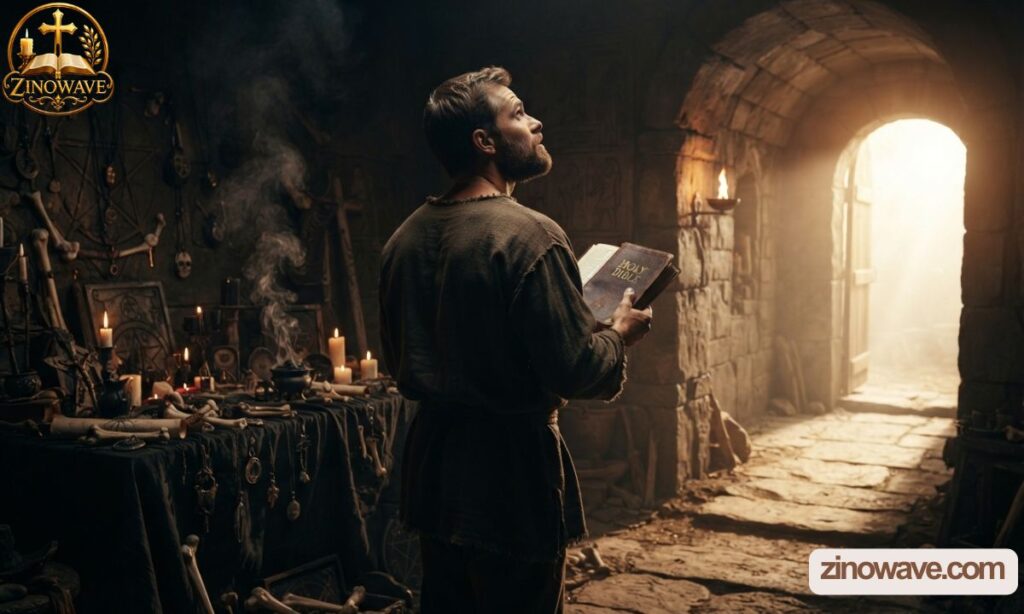
God instructs His people not to turn to mediums or spiritists, “for you will be defiled by them.” This command protected Israel from the surrounding culture’s obsession with spirit-beings and hidden knowledge.
Gnomes and Superstition in Modern Culture
Modern gnome folklore still carries traces of this same fascination: nature spirits, hidden wisdom, and “lucky” charms. Even when the intent is playful, the underlying superstition Leviticus warns against hasn’t disappeared; it’s just been repackaged as home décor.
3. 1 Corinthians 10:21 – You Cannot Share Two Tables
Paul tells the Corinthian church they cannot “drink the cup of the Lord and the cup of demons.” Faith isn’t meant to be shared with practices rooted in spiritual rivalry, however small they seem.
Your Yard Speaks Volumes
What surrounds your home reflects what you value. This doesn’t mean every garden statue is sinful, but it does mean Christians are called to ask a simple question: does this object point toward God, or does it quietly borrow from something else entirely?
4. Deuteronomy 18:10–12 – God’s Warning Against Pagan Practices
Moses lists practices God calls detestable: divination, sorcery, interpreting omens, and consulting spirits. These weren’t random rules; they were meant to separate God’s people from cultures built around occult power.
Tracing Gnome Origins
Gnome origins trace to 16th-century alchemist Paracelsus, who classified gnomes as earth elementals in his writings on nature spirits. Long before that, Germanic mining folklore spoke of underground beings called Bergmännlein who guarded ore and treasure. These roots sit firmly inside the very categories Deuteronomy warns against.
5. Psalm 115:4–7 – Idols Have No Power
The psalmist mocks idols made by human hands: mouths that cannot speak, eyes that cannot see. The point is simple: objects have no inherent power; power belongs to God alone.
Modern Idolatry Takes Subtle Forms
Few people today literally worship a gnome statue. But idolatry isn’t only bowing down; it’s giving spiritual weight to something that has none. Treating a figurine as a good-luck charm edges toward the same mistake Psalm 115 exposes.
6. Jeremiah 10:2 – Do Not Learn Pagan Ways
Jeremiah warns Israel not to “learn the way of the nations” or be dismayed by signs the pagans feared. Cultural conformity, God says, is not neutral when it involves superstition.
Cultural Traditions vs Scripture
Garden gnomes are now so common they feel culturally neutral, much like other folklore-based decorations. Jeremiah’s challenge is to look past what’s popular and measure every tradition against what Scripture actually teaches.
7. Colossians 2:8 – Be Rooted in Christ
Paul warns against being taken captive by “hollow and deceptive philosophy,” built on human tradition rather than Christ. Spiritual grounding matters more than cultural trend-following.
Building on Solid Foundation
Christians don’t need to fear folklore, but they do need discernment. Building a home, and a worldview, on Christ means testing every symbol, story, and tradition against biblical truth rather than accepting it by default.
8. Exodus 20:3–4 – Worship Only God
The second commandment forbids making carved images for worship or bowing down to them. This isn’t just about statues; it’s about the posture of the heart toward anything other than God.
When Decorations Cross Lines
A gnome on the porch isn’t automatically an idol. But if a decoration is kept for luck, protection, or spiritual significance rather than simple enjoyment, it edges toward the very line Exodus draws.
9. Ephesians 5:11 – Have Nothing to Do With Darkness
Paul tells believers to have no part in “the fruitless deeds of darkness” but instead expose them. This calls for active discernment, not passive acceptance of whatever culture normalizes.
Recognizing Subtle Spiritual Deception
Occult symbolism rarely announces itself. It arrives dressed as folklore, fantasy, or harmless tradition. Ephesians 5:11 calls Christians to look past the surface and recognize when something carries more spiritual weight than it appears to.
10. Proverbs 3:5–6 – Trust in the Lord
“Trust in the Lord with all your heart, and lean not on your own understanding.” This is the antidote to superstition: trusting God’s guidance instead of charms, omens, or folklore.
Freedom Through Faith
When trust is placed fully in God, symbols lose their perceived power. A gnome becomes just a garden ornament rather than a source of anxiety, because faith, not superstition, governs the believer’s daily life.
11. Matthew 6:33 – Seek God First
Jesus calls His followers to “seek first the kingdom of God,” promising that other concerns fall into place afterward. Priorities shape every decision, including small household choices.
Kingdom-Focused Decisions
Deciding whether to keep a gnome in the garden isn’t really about the object; it’s about priorities. A kingdom-focused mindset asks whether a decision draws attention toward God or simply follows cultural habit.
12. 1 John 5:21 – Guard Yourselves from Idols
John’s closing words in his first epistle are direct: “Little children, keep yourselves from idols.” It’s a simple, practical charge to stay alert, even in ordinary areas of life.
Maintaining Spiritual Purity
This final warning ties the whole discussion together. Spiritual purity isn’t about paranoia over lawn décor; it’s about staying alert, testing traditions, and keeping the heart’s trust fixed on God rather than folklore.
Final Words
So, what do gnomes mean biblically? Scripture never mentions gnomes directly, but it says a great deal about superstition, idolatry, and pagan roots, all of which intersect with gnome folklore and its origins in Renaissance occultism. That doesn’t mean every gnome statue is spiritually dangerous. It means Christians are called to discernment: examining the “why” behind decorations, traditions, and cultural habits rather than accepting them without thought.
The heart of the matter isn’t the object on the porch; it’s where trust is placed. A believer rooted in Scripture, guided by prayer, and focused on Christ can navigate cultural symbols with wisdom instead of fear or blind acceptance.
Frequently Asked Questions
Are garden gnomes mentioned in the Bible?
No. Gnomes never appear in Scripture; their origins come from Renaissance folklore and alchemy, not biblical text.
Is it a sin to have a gnome statue in your yard?
Not inherently: the concern is intent. Treating a gnome as lucky or spiritually significant crosses into superstition Scripture warns against.
Where did gnomes originally come from?
Gnomes trace back to 16th-century alchemist Paracelsus, who described them as earth elementals, building on older Germanic mining folklore.
What does the Bible say about superstition?
Scripture consistently warns against superstition and divination, calling believers to trust God rather than charms, omens, or spirit practices (Deuteronomy 18:10-12).
Should Christians avoid all folklore-based decorations?
Not necessarily. The key is discernment: checking whether a decoration holds symbolic or superstitious meaning versus being purely decorative.
How can I decide if a decoration crosses a spiritual line?
Ask why you’re keeping it. If it’s tied to luck, protection, or spiritual power, it’s worth reconsidering in light of Scripture.

Samuel is a Bible content writer with 5 years of experience in researching Bible verses, prayers, blessings, and biblical name meanings. He shares meaningful insights to help readers understand Scripture better.