
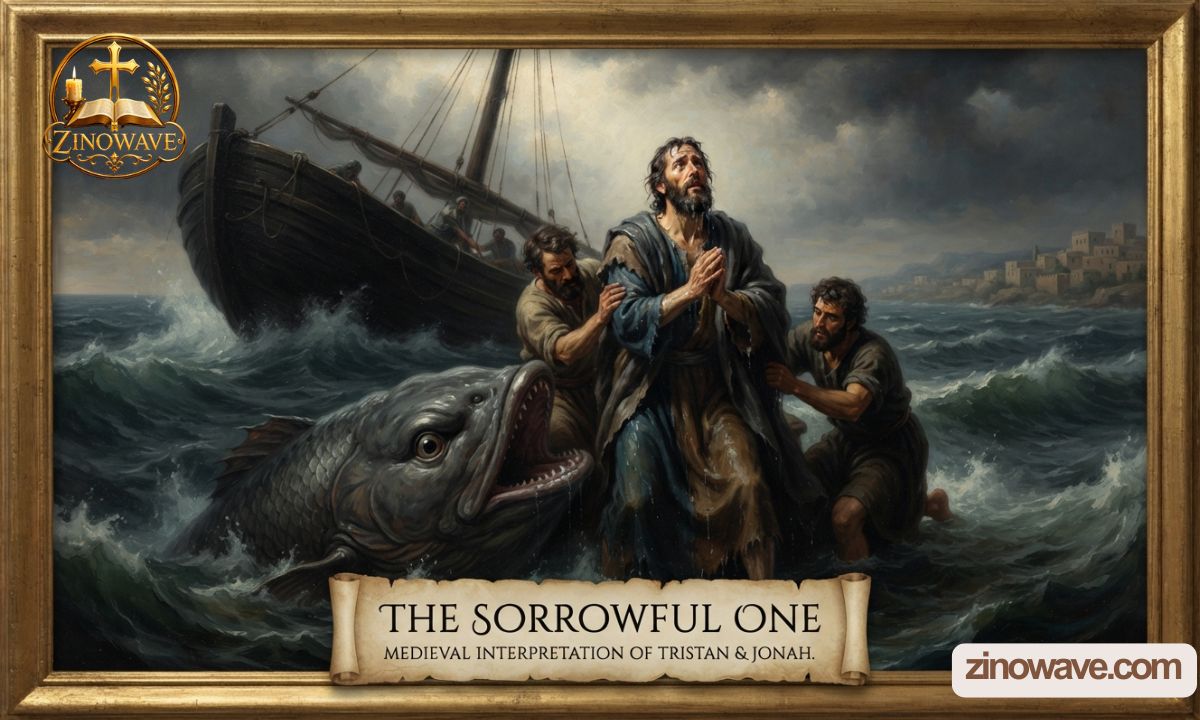
The name Tristan has grown popular for baby boys, and many parents want to know if it carries any biblical roots or spiritual meaning. While Tristan doesn’t appear directly in Scripture,
its traditional meaning connects beautifully with biblical themes of sorrow, transformation, and hope. This guide explores where the name comes from and how its meaning aligns with faith.
Tristen Name Meaning Bible
Tristan, sometimes spelled Tristen, is not a Hebrew or biblical name. It comes from Celtic and Latin roots, most commonly linked to the word “tristis,” meaning sad or sorrowful. Even without a direct biblical origin, many Christian parents connect its meaning to Scripture’s teaching that sorrow is never the final word.
Biblical View of Sorrow

The Bible treats sorrow as sacred rather than shameful. David wept openly in the Psalms, Job mourned deeply, and Jesus Himself wept over Jerusalem. Scripture consistently shows that sorrow is a normal part of a life of faith, and that God draws especially close to those who are grieving (Psalm 34:18).
Tristan Meaning in Hebrew
Tristan has no direct Hebrew translation, since it originates from Celtic and Latin language traditions rather than ancient Israelite culture. Still, viewed through a Hebrew spiritual lens, sorrow is seen as sacred ground where God does His deepest work in a person’s heart.
1. Sorrow and Depth of Heart
In Hebrew thought, a sorrowful heart is often a heart capable of deep faith. The name Tristan’s connection to sorrow can symbolize emotional depth a person who feels things fully and is capable of real compassion for others.
2. Transformation Through Trials
Hebrew spirituality teaches that trials refine rather than punish. Just as gold is purified by fire, the meaning behind Tristan reflects a process of being shaped through hardship into something stronger and more faithful.
What Does Tristan Mean?
Historically, Tristan means “sorrowful” or “full of deep emotion,” tracing back to Old French and Celtic roots. The name became widely known through the medieval legend of Tristan and Isolde, a tragic romance emphasizing devotion and emotional depth.
What Does the Name Tristan Mean in the Bible?
To answer simply: Tristan does not appear in the Bible at all, in either the Old or New Testament. However, its meaning of sorrow connects naturally with biblical themes, since Scripture is full of people who experienced deep sorrow before finding restoration and purpose.
What Does Tristan Mean in the Bible?
Because Tristan isn’t a scriptural name, its “biblical meaning” comes from symbolic connection rather than direct reference. Many believers link Tristan’s root meaning of sorrow to the biblical pattern of mourning turning into joy, as described in Psalm 30:5 and John 16:20.
1. A Heart That Understands Suffering
Someone connected to the name Tristan may be seen as having a heart that understands suffering deeply, much like Job or David, both of whom expressed raw sorrow yet remained faithful to God.
2. Compassion for Others
A name rooted in sorrow can also symbolize compassion, since those who have experienced their own pain often become the most sensitive to the struggles of others around them.
3. Faith Through Difficult Seasons
Tristan’s meaning can represent perseverance — trusting God through hardship rather than being defined by the hardship itself, echoing Romans 5:3-4’s teaching that suffering produces perseverance, character, and hope.
Meaning of Tristan in the Bible
Even though Tristan isn’t found in Scripture, its symbolic meaning fits well within a biblical worldview. Names like Naomi, whose story moved from bitterness to blessing, show that a difficult meaning doesn’t determine a difficult life; God can transform the story behind any name.
Is the Name Tristan in the Bible?
No, there is no biblical figure named Tristan in either testament. The name entered Western culture through Celtic and French traditions centuries after the Bible was written, so it has no scriptural origin.
Tristan Meaning in Bible
While the phrase “Tristan meaning in Bible” doesn’t point to an actual verse, it typically refers to how the name’s root meaning of sorrow aligns with biblical stories of hardship and eventual restoration.
1. Sorrow That Leads to Strength
Many biblical figures moved through sorrow into greater strength and faith, including Joseph, who endured betrayal and imprisonment before becoming a leader in Egypt.
2. Transformation Through Pain
Scripture consistently shows pain as a doorway to growth rather than a dead end, reflected in verses like Romans 8:28, which reminds believers that God works all things together for good.
Tristan in the Bible
To be direct: Tristan is not mentioned anywhere in the Bible. It’s a name shaped by European legend and language, not by Hebrew or Greek scripture, though its themes still resonate with biblical truth.
Biblical Meaning of Sorrow and Its Connection to Tristan
Sorrow in the Bible is rarely permanent. Psalm 30:5 promises that “joy cometh in the morning,” and this pattern sorrow followed by restoration is exactly what many believers see reflected in the deeper meaning of Tristan’s name.
Faith Through Trials: What Tristan Symbolizes Spiritually
Spiritually, Tristan can represent a journey: starting in sorrow, moving through trials, and arriving at renewed faith and strength. This mirrors the pattern seen throughout Scripture in the lives of Job, Hannah, and David.
Is Tristan a Good Christian Name for a Baby?
Yes. A name doesn’t need to appear in Scripture to be a meaningful Christian choice. Many beloved Christian names, such as Christopher, also have non-biblical origins. What matters most is the faith and character a family builds around the name, not its linguistic history.
Spiritual Significance and Symbolism
Tristan’s spiritual significance lies in its symbolic message: sorrow is not the end of the story. For Christian parents, the name can serve as a daily reminder to pray over their child’s emotional depth and future resilience.
A Season of Growth
Every difficult season carries potential for growth. Just as the name’s root meaning points to sorrow, its deeper symbolism points toward the growth that often follows hardship when faith is involved.
A Tender and Compassionate Heart
Names connected to emotional depth often symbolize compassion. A person named Tristan may be seen as someone especially attuned to the pain of others, capable of offering real empathy and comfort.
Biblical Interpretations in Dreams or Real Life
Some believers view hearing or encountering a name like Tristan in a dream or unexpected moment as a gentle spiritual nudge not a formal biblical sign, but a personal invitation to reflect, pray, and trust God through a current season of difficulty.
Practical Lessons & Faith Insights
For families choosing this name, a few practical takeaways stand out:
- Tristan’s meaning of “sorrow” is not something to fear; Scripture treats sorrow as sacred, not shameful.
- The name’s deeper symbolism points to transformation, not permanent sadness.
- Choosing Tristan can be paired with a life verse, such as Psalm 30:5 or Romans 5:3-4, prayed over the child.
- A name’s spiritual meaning is shaped by faith and intention, not just etymology.
Conclusion
Tristan does not appear in the Bible, and it has no direct Hebrew or biblical origin. Its traditional meaning of “sorrowful” comes from Celtic and Latin roots. Even so, the name’s symbolism connects naturally with biblical truths about sorrow, resilience, and transformation.
For Christian families, Tristan can be a deeply meaningful name not because of where it came from, but because of the faith and hope parents choose to build around it.
Frequently Asked Questions
Does the name Tristan appear in the Bible?
No, Tristan does not appear in the Old or New Testament.
What does Tristan mean in Hebrew?
Tristan has no Hebrew meaning, since it comes from Celtic and Latin origins rather than Hebrew.
What does the name Tristan mean?
Tristan traditionally means “sorrowful” or “full of deep emotion.”
Is Tristan a good Christian name for a baby?
Yes, many Christian families choose Tristan for its symbolic connection to faith, resilience, and transformation.
Why do people connect Tristan to biblical themes?
Because its root meaning of sorrow aligns with biblical stories of hardship turning into hope and restoration.
Is Tristan associated with any Bible verse?
While not directly biblical, verses like Psalm 30:5 and Psalm 34:18 are often connected to Tristan’s meaning of sorrow and comfort.

Samuel is a Bible content writer with 5 years of experience in researching Bible verses, prayers, blessings, and biblical name meanings. He shares meaningful insights to help readers understand Scripture better.